Wisconsin Parental Choice Program Approved
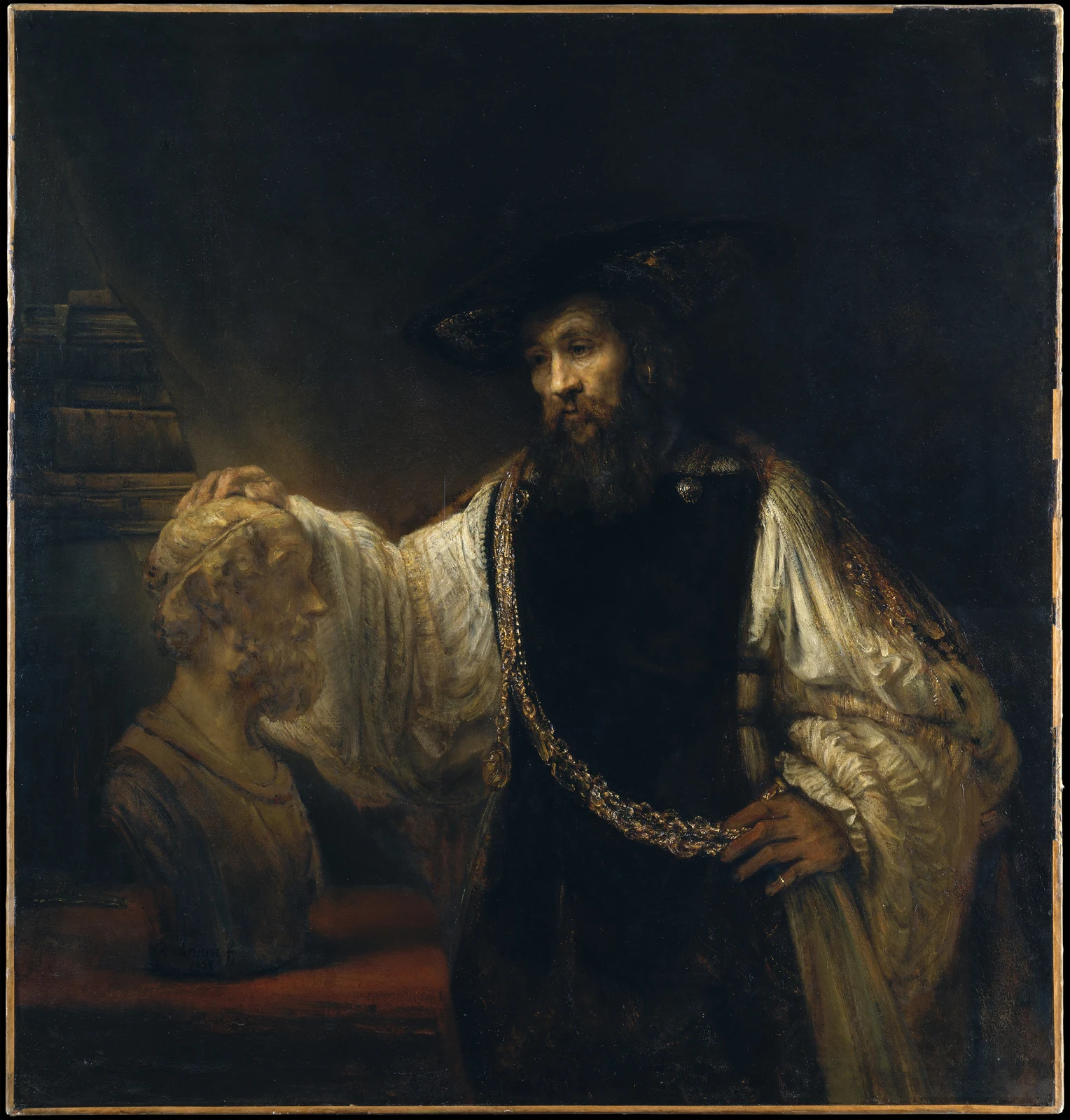
Rembrandt — Aristotle contemplating a bust of Homer
Home/Academics/English Language Arts
English Language Arts

The Great Books, taught well.

Verbum sit lucerna. A word is a lamp.

Phonics in the early grades. Great Books across the middle grades. The Humane Letters seminar in high school — the disciplines that have formed great minds for two thousand years.

A Word Rightly Spoken

Language is the spine of the liberal arts.

A student who cannot read with care, write with precision, and speak with grace cannot be educated. Every other discipline rests on this one.

VCA Virtual's English Language Arts curriculum is the classical sequence: phonics from the very first day, then a careful immersion in the Great Books, then a high-school Humane Letters seminar where literature, history, and philosophy are read together. Students don't just consume texts. They wrestle with them.

In plain English: ELA at VCA Virtual is what it sounds like — Scholars learning to read, write, and speak well. Phonics from day one, not guessing at words from the picture. Whole books from the elementary grades, not paragraphs in a textbook. Major works of Western literature in age-appropriate form by middle school. A real senior thesis your Scholar can defend out loud, not a multiple-choice test. Real books, real conversations, real writing — every step.

How We Teach Reading & Writing

Four methods, one curriculum.

Each method belongs to a stage of formation. Together they produce a student who reads with discernment and writes with grace.

I

Spalding Phonics

From kindergarten the Spalding method teaches phonograms systematically — the building blocks of English. Students learn to spell as they learn to read. Multi-sensory, structured, and powerful at every reading level.

In plain EnglishScholars learn the sounds letters make and write while they read — no guessing from pictures, no whole-word memorization. Independent reading takes hold early in the elementary grades.
II

The Great Books

Primary sources from the start. Homer, Plato, Augustine, Dante, Shakespeare, Austen, Lewis — read directly in age-appropriate editions, paced across twelve grades.

In plain EnglishYour Scholar reads actual books, not paragraphs in a textbook — whole works of literature in age-appropriate editions. By the middle grades, most students have finished books most adults have never read.
III

Socratic Seminar

Live discussion through the morning Zoom block. Teachers ask questions; students think out loud; truth is discovered in dialogue. Small cohorts make every voice answerable to the conversation.

In plain EnglishYour Scholar sits in a small live class with a real teacher who asks questions — and expects an answer. No pre-recorded videos to watch alone. No discussion-board posts to type at midnight. A real conversation where your Scholar learns to think out loud.
IV

Humane Letters

In high school, English merges with history and philosophy in an extended daily seminar. Students read the great works of the West in conversation with their historical context.

In plain EnglishIn high school, English class isn’t isolated. Your Scholar reads The Federalist Papers while studying the founding era — same teacher, same book, same seminar block. No PowerPoint summary. No SparkNotes shortcut. Literature and history finally make sense together because they’re taught together.
A Twelve-Year Sequence

From phonics to Plato.

A coherent path. Each year prepares the next. By graduation a student has read more deeply than most college English majors.

K-2

Phonics & Picture Books

Spalding phonograms, copywork, and the great picture books. Reading aloud is core. Children learn to write as they learn to spell.

3-5

Classic Tales

Aesop, Greek and Roman mythology, fairy tales, and abridged classics. Composition and grammar formalized. Memory work and recitation.

6-8

The Tradition Begins

Sustained literature and composition, with classic works read alongside the Bible as literature. Formal grammar and the five-paragraph essay give way to longer analytical writing.

9-12

Humane Letters

The full Great Books canon in dialogue with history. Senior thesis. Rhetoric, oratory, and the formal defense of an argument.

A Real Seminar

What does a Socratic class actually look like?

A small live class. The teacher reads aloud the opening lines of a primary text — say, Book I of the Iliad. A question follows: "Why does the poet begin with anger?"

Students reach for the text. One offers a reading. Another disagrees, gently. The teacher pushes: "What does Achilles want?" The conversation follows the text where it leads. No script. No correct answer. Discussion within the bounds of evidence.

This is what a Socratic seminar is. Not a Q&A, not a lecture interrupted by raised hands, but a structured conversation among readers who have prepared. It is the most demanding form of teaching there is — and the most formative.

A VCA Virtual ELA seminar
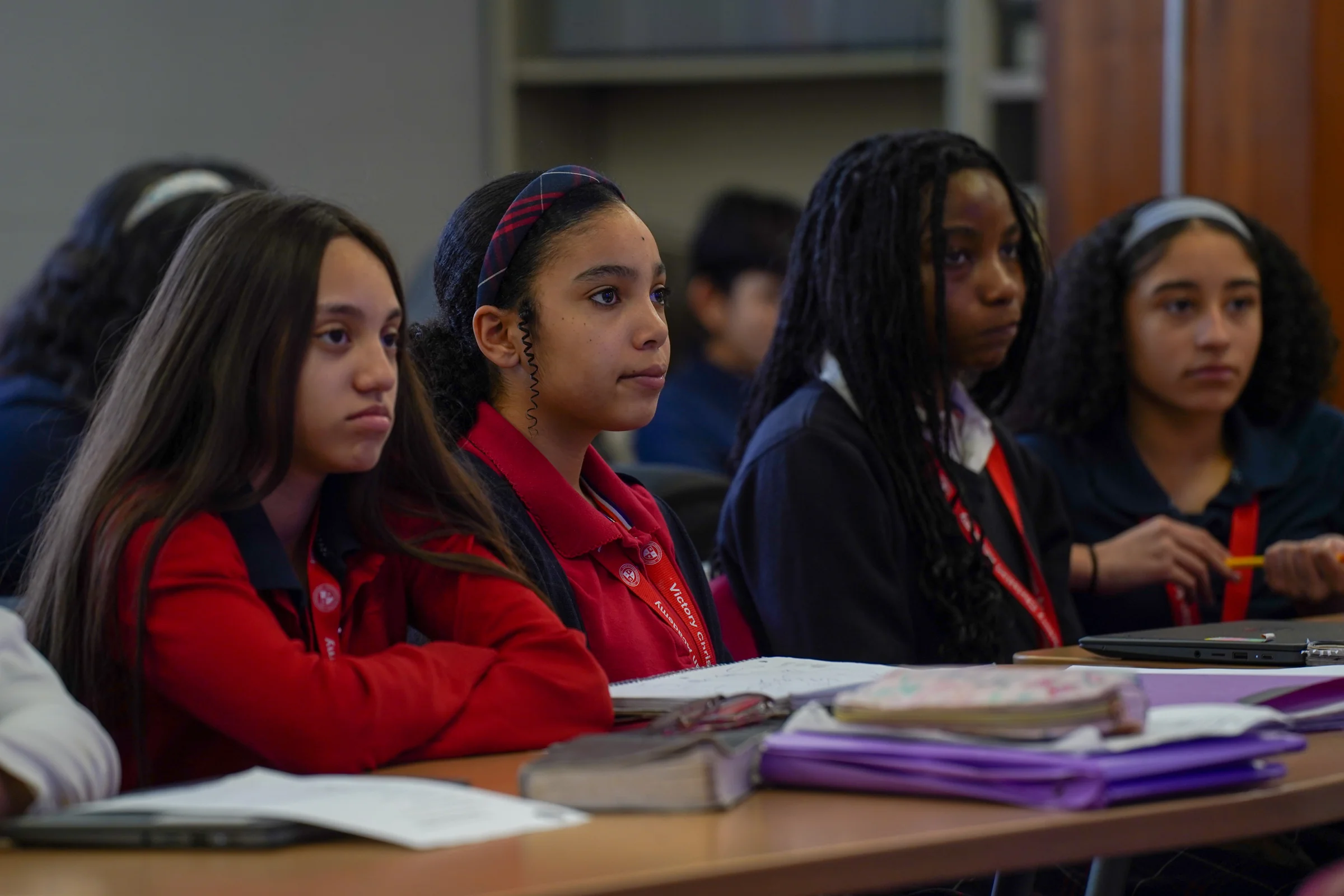
"Truth is discovered in dialogue, not dictated from the lectern."
✝︎
“Thy word is a lamp unto my feet, and a light unto my path.”
Psalm 119:105 · KJV
Inside the Curriculum

See it for real.

Public materials from Great Hearts Online — the same curriculum delivered through VCA Virtual. Click any card to see what the actual coursework looks like.

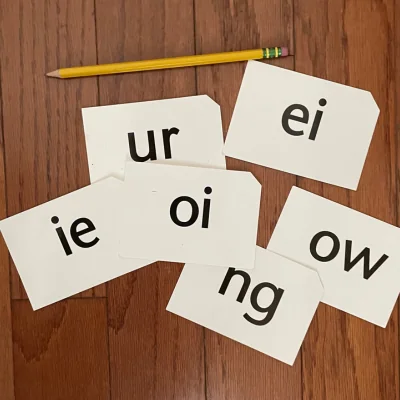
ELA course preview — phonogram cards
Sample Course

ELA — 5th Grade

What an actual semester of 5th-grade ELA covers: phonics review, spelling & penmanship, reading & literature, grammar & composition, poetry. Live morning Zoom seminars, syllabus PDF on the page.

View the course →
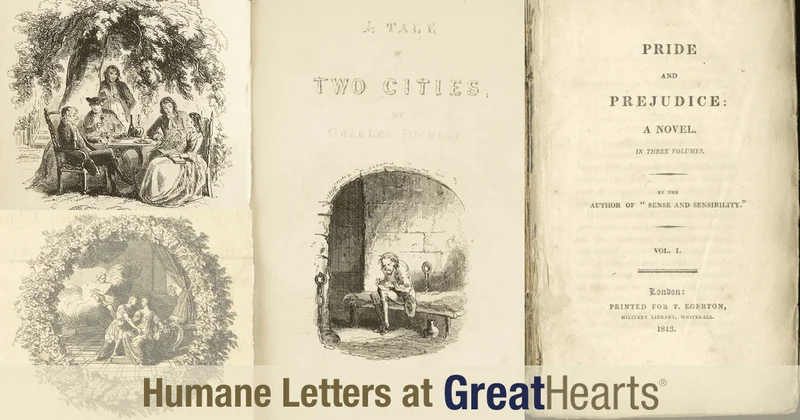
Humane Letters seminar
High School Capstone

The Humane Letters Seminar

Four years of Great Books taught Socratically — the high-school capstone where literature, history, and philosophy fuse into a single extended daily seminar.

Read the article →
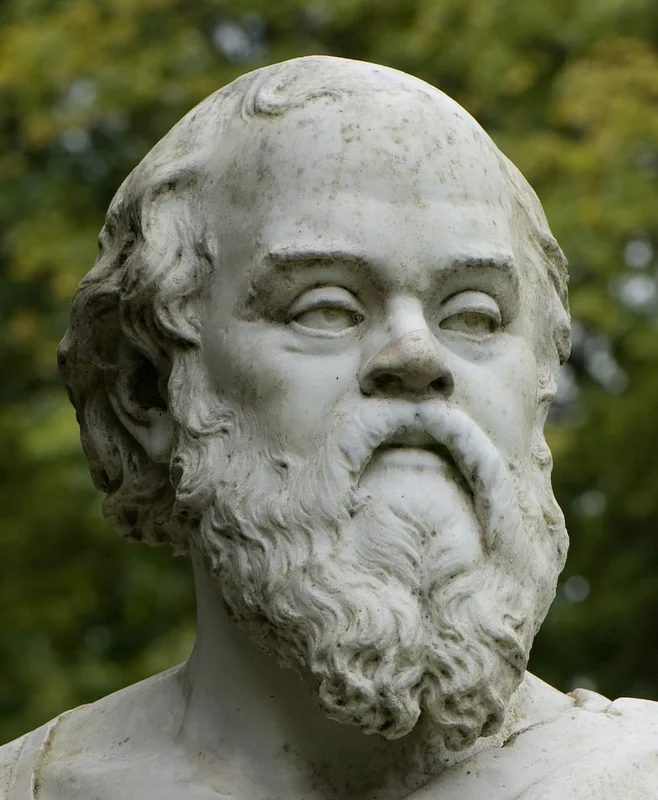
Understanding the Socratic Method
Method

The Socratic Method

What a real Socratic class looks like, why it works, and how Great Hearts trains teachers to lead one. The discussion model behind every ELA seminar at VCA Virtual.

Read the article →

VCA Virtual’s classical pathway uses the Great Hearts published K–12 scope and sequence. Links open at greatheartsonline.org and greatheartsamerica.org for transparency.

Other Paths at VCA Virtual

Classical isn’t the only path. It’s simply the heart.

VCA Virtual delivers two additional non-classical pathways for scholars whose road through the Christian school day looks different.

See It Live

Sit in on a seminar.

The fastest way to understand classical ELA is to attend a Socratic class. Our admissions team can arrange a virtual visit.