Wisconsin Parental Choice Program Approved
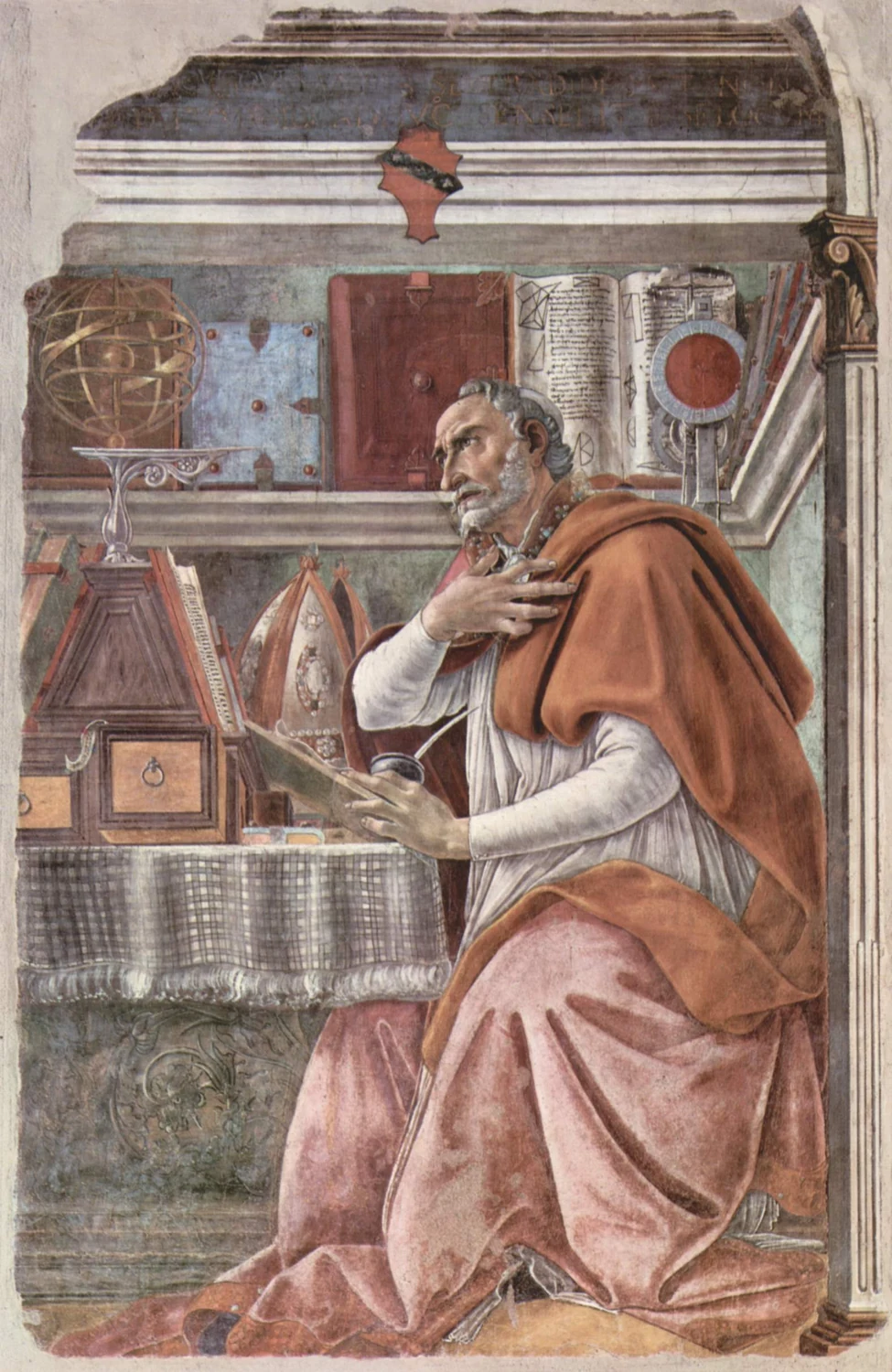
Botticelli — Augustine in his study
Home/Academics/Latin & Languages
Latin & Languages

The mother tongue of the West.

Lingua mater occidentis. The mother tongue of the West.

Seven years of live classical languages from sixth grade through graduation — five years of Latin, two of Greek, with adapted readings from the Aeneid and the strongest students reading Cicero in the original. The discipline that trains every other discipline.

Why Latin

A dead language that refuses to die.

No subject builds the mind quite like Latin. Half of English vocabulary descends from it. The grammar of every Romance language unfolds from it. The intellectual tradition of the Christian West was written in it for two thousand years.

VCA Virtual teaches classical languages from 6th grade through 12th — live through the morning Zoom block, with regular independent practice. Five years of Latin (grades 6–10), then Greek for juniors and seniors. The strongest students reach Cicero in the original by graduation. The skill itself is valuable; the formation it produces is incalculable.

In plain English: Latin isn’t a museum subject — it’s the most efficient grammar workout a brain can get. Half of English vocabulary comes from it. Spanish, French, Italian fall easily after it. And by graduation the strongest students are reading Cicero in the original — the kind of milestone that says the work paid off. Seven sustained years of Latin produces a different kind of mind.

How We Teach Latin

Four commitments.

Most American Latin programs are too short, too slow, or too disconnected from the literature to produce real readers. Ours is built differently.

I

Serious Classical Grammar

Declensions, conjugations, pronouns, commands — the structure of the language taught systematically across grades 6–8. Demanding, comprehensive, and built for full mastery before students meet the great authors.

In plain EnglishThree years of grammar before the great texts. Not the “Latin lite” programs other schools cobble together — a real foundation that lets your Scholar actually read what comes next.
II

Live and Sustained

Latin in the Live model meets through the morning Zoom block, with regular independent practice. Students parse aloud and translate together with the teacher.

In plain EnglishMany American Latin programs meet only a couple times a week. Yours runs as a sustained part of the morning block, with a live teacher, and includes parsing aloud as part of the live class. A real classroom rhythm — not a recording.
III

Adapted Texts Early

Beginning in middle school, students engage adapted texts from real classical authors — including selections from Horace and the Aeneid — alongside grammar instruction. Engagement with the actual literature is built in from the start.

In plain EnglishOther programs spend four years teaching grammar and never get to a real book. Yours engages adapted Horace and the Aeneid in middle school, then more demanding texts as students mature. Real Latin literature, in age-appropriate form.
IV

Latin Serves the Tradition

Latin is taught not as a hobby but as the key to a tradition. Top students “read Cicero without translation” by graduation — the Great Hearts standard for what a serious Latin program should produce.

In plain EnglishWhy Latin? Because most of the foundational books of Christian thought were written in it — and a translation always loses something. The strongest students graduate able to read Cicero in the language he wrote it.
Seven Years

From amo to Cicero.

A long, careful sequence: five years of Latin, two of Greek. Each year prepares the next. By graduation the strongest students read Cicero without translation.

6-7

Latin I & II

First and second declension nouns, present-tense verbs, the basic syntactic structures. Vocabulary building. Daily live drill.

8

Latin III

Verb tenses, subjunctive mood, infinitive constructions, all five declensions. Adapted classical readings begin in earnest.

9-10

Latin IV & V

Sustained reading of adapted classical authors. The grammar foundations are now load-bearing — students translate longer passages and engage real literature.

11-12

Greek & Advanced Latin

Greek I and II for juniors and seniors at most campuses; advanced Latin available for students who choose to continue, with the strongest graduates able to read Cicero in the original.

The Wider Aim

Modern languages, too.

Seven years of Latin produces students who pick up Romance languages remarkably quickly. The grammatical infrastructure is already in place. Vocabulary recognition is half the battle.

Modern language electives are available alongside the Latin sequence — Spanish primarily, French and Italian by request — for students whose path requires modern conversational fluency. Most families opt for Spanish given Wisconsin's demographics; many add it as an elective alongside the full Latin program.

For students who must choose, the classical wisdom is: take Latin first. The modern languages will come faster, deeper, and with better grammatical understanding once Latin has done its work.

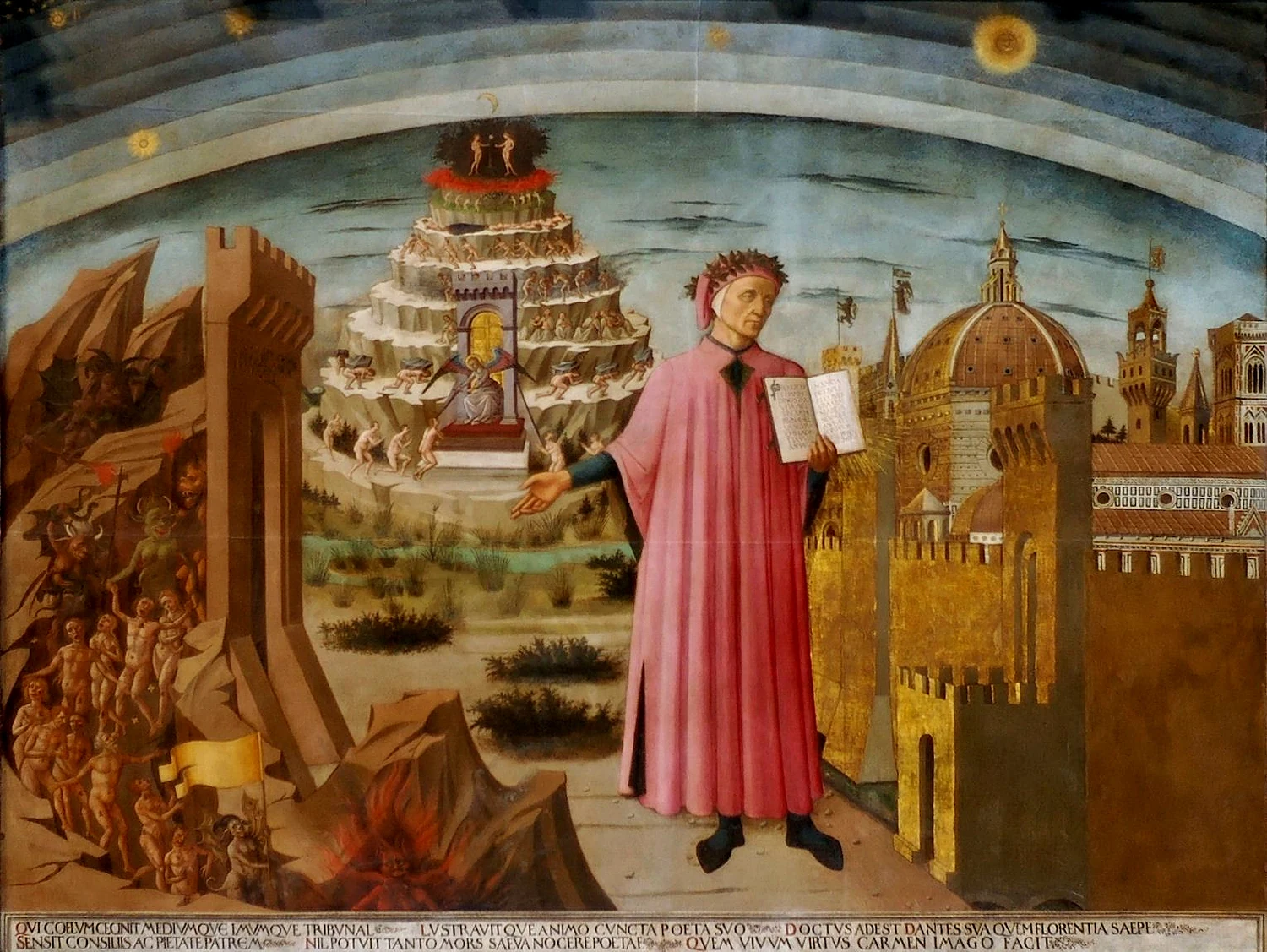
Dante — Divine Comedy
"He who knows Latin learns Spanish, French, and Italian effortlessly."
✝︎
“In principio erat Verbum, et Verbum erat apud Deum, et Deus erat Verbum.”
In the beginning was the Word · John 1:1 · Vulgate
Inside the Curriculum

See it for real.

Public materials from Great Hearts Online — the same curriculum delivered through VCA Virtual. Click any card to see what the actual coursework looks like.

Latin course preview
Sample Course

Latin — 6th Grade

What an actual semester of beginning Latin looks like: declensions, conjugations, pronouns, commands, adapted readings from Horace and the Aeneid. Live morning Zoom seminars, syllabus PDF on the page.

View the course →
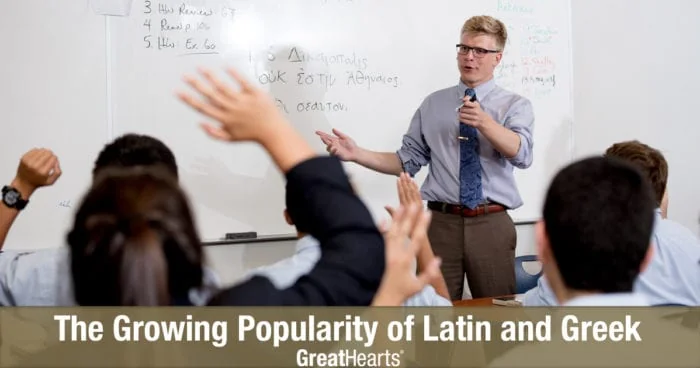
The Growing Popularity of Latin and Greek
Why Latin

The Growing Popularity of Latin & Greek

Why classical languages are surging in American schools again, what serious Latin training does to the student mind, and why Great Hearts has built one of the country’s most demanding programs.

Read the article →
The Great Books at Great Hearts
Reading List

The Great Books at Great Hearts

The full reading list across twelve grades. Many of these books were originally written in Latin or Greek — and Great Hearts students who’ve done the work read them in the original.

Read the article →

VCA Virtual’s classical pathway uses the Great Hearts published K–12 scope and sequence. Links open at greatheartsonline.org and greatheartsamerica.org for transparency.

Other Paths at VCA Virtual

Classical isn’t the only path. It’s simply the heart.

VCA Virtual delivers two additional non-classical pathways for scholars whose road through the Christian school day looks different.

Latin Works

Seven years that change a student.

There is no shortcut. There is no replacement. Seven sustained years of Latin produces a different kind of mind. We teach it because it works.