Wisconsin Parental Choice Program Approved
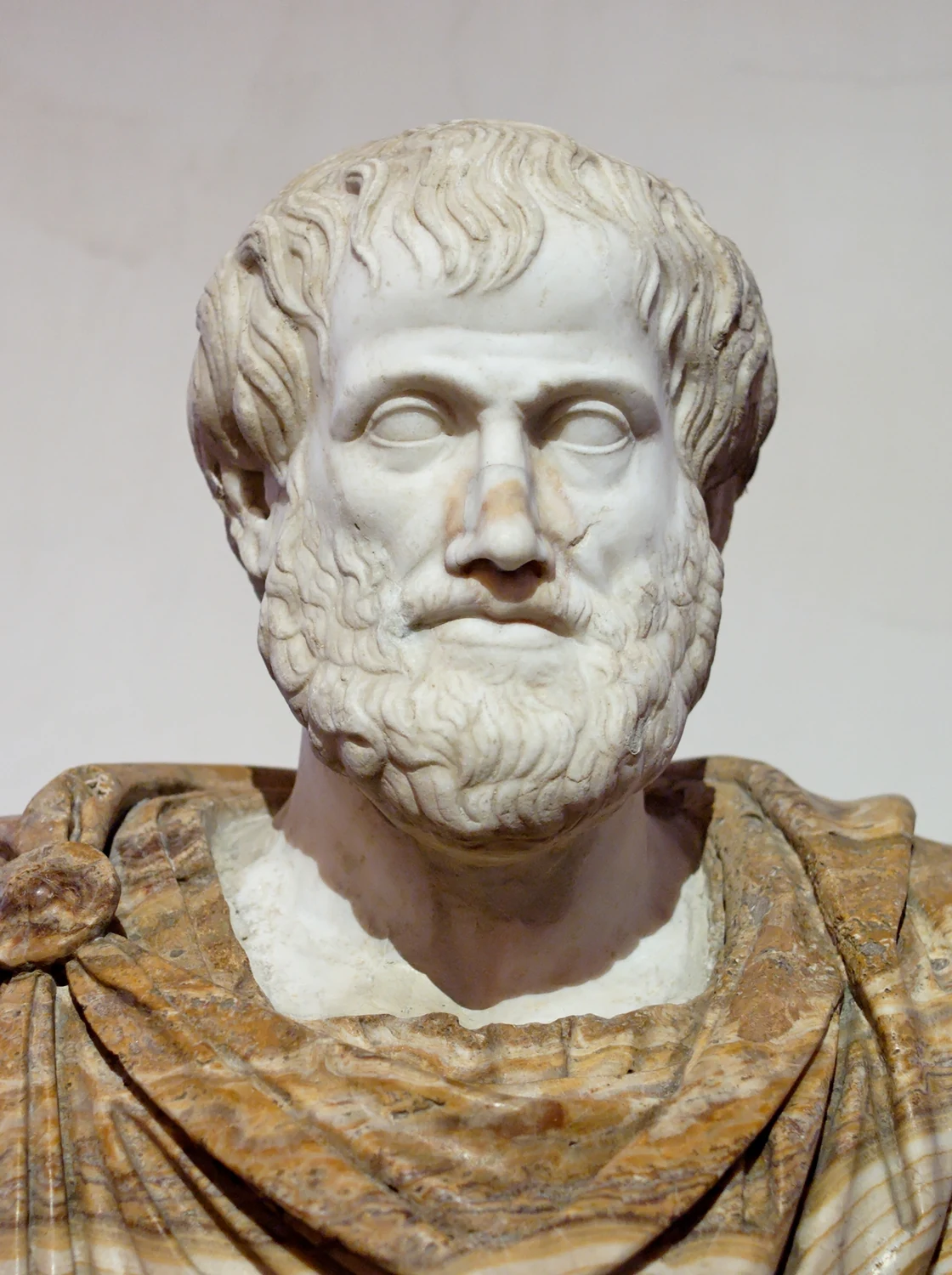
Aristotle, the first natural philosopher
Home/Academics/Science
Science

Nature, and the knowledge of nature.

Natura et scientia. Nature and knowledge.

Patient observation, real laboratory work, and the classical Biology–Physics–Physics–Chemistry sequence — science taught as natural philosophy, with the math foundation built first.

Science as Natural Philosophy

The cosmos is knowable.

For most of Western history, science went by another name: natural philosophy. The natural philosopher sought to understand the world as God made it — patiently, reverently, with attention to the order of things.

VCA Virtual's science program returns to that older approach. We teach observation before measurement, the great experiments before the textbook abstractions, and natural phenomena in their proper order. Our high-school sequence is unusual: Biology, Physics I, Physics II, then Chemistry — built so that scholars approach chemistry only after the math foundation is mature enough to make sense of it.

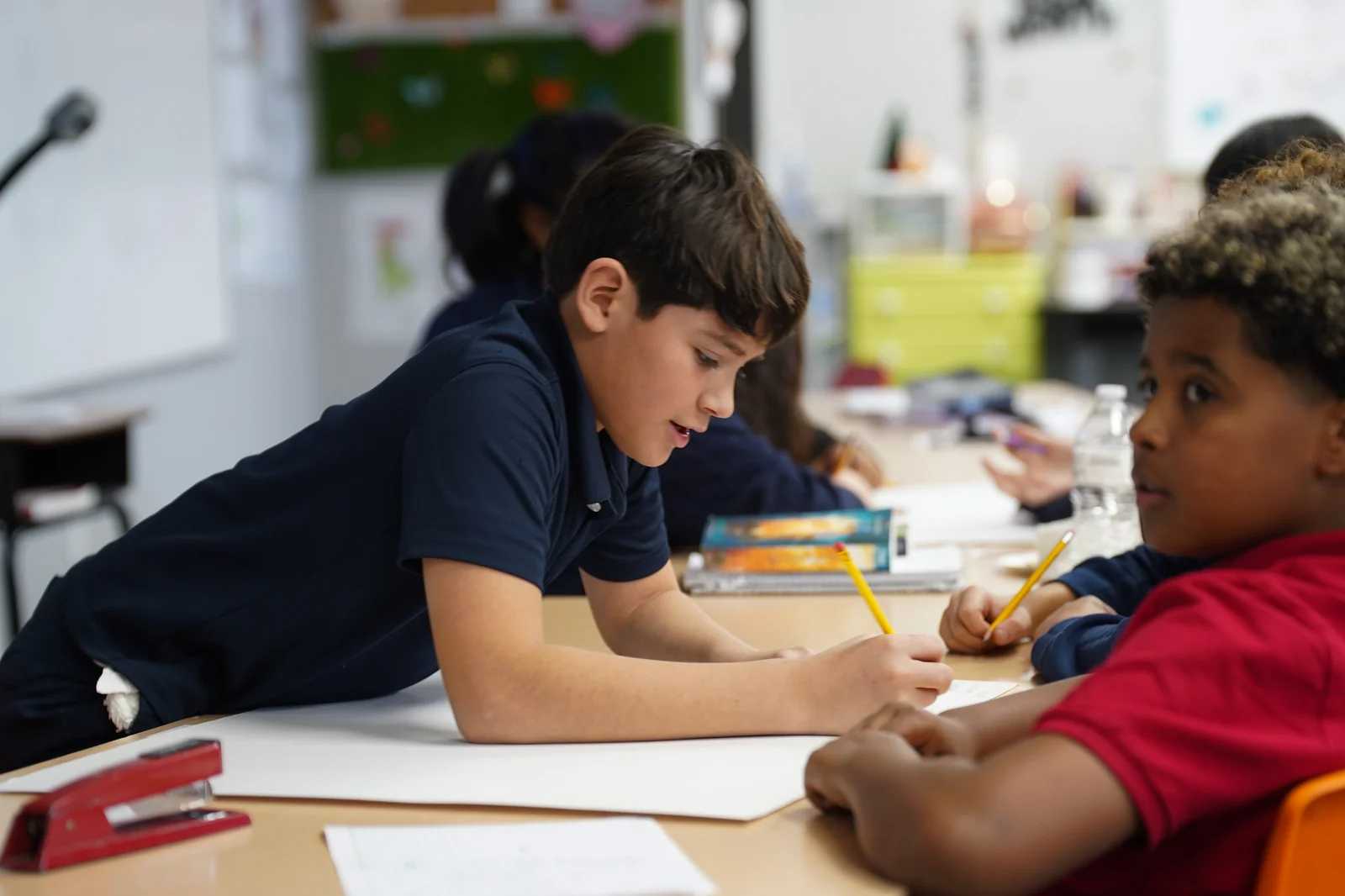
In plain English: science at VCA Virtual starts with looking. K–2 kids draw leaves, watch the moon, observe a candle flame — before they ever meet a formula. From 3rd grade on, every student keeps a real lab notebook. No simulated “virtual labs” replacing actual hands-on experiments. No textbook tour through “next-gen science standards” checklists. By high school, your Scholar takes Biology, Physics I, Physics II, then Chemistry — the order that matches when their math is ready — and they actually understand chemistry instead of memorizing it.

How We Teach

Four commitments.

A science course that takes natural philosophy seriously must look different from a typical textbook tour. Here is what we do.

I

Patient Observation

Before any formula, students observe. The patterns of leaves. The phases of the moon. The behavior of a candle flame. Wonder precedes calculation.

In plain EnglishYour kindergartener draws what they see in the backyard. Your 3rd-grader records moon phases for a month. They learn what a scientist actually does — look closely — before they ever see an equation.
II

Real Laboratory Work

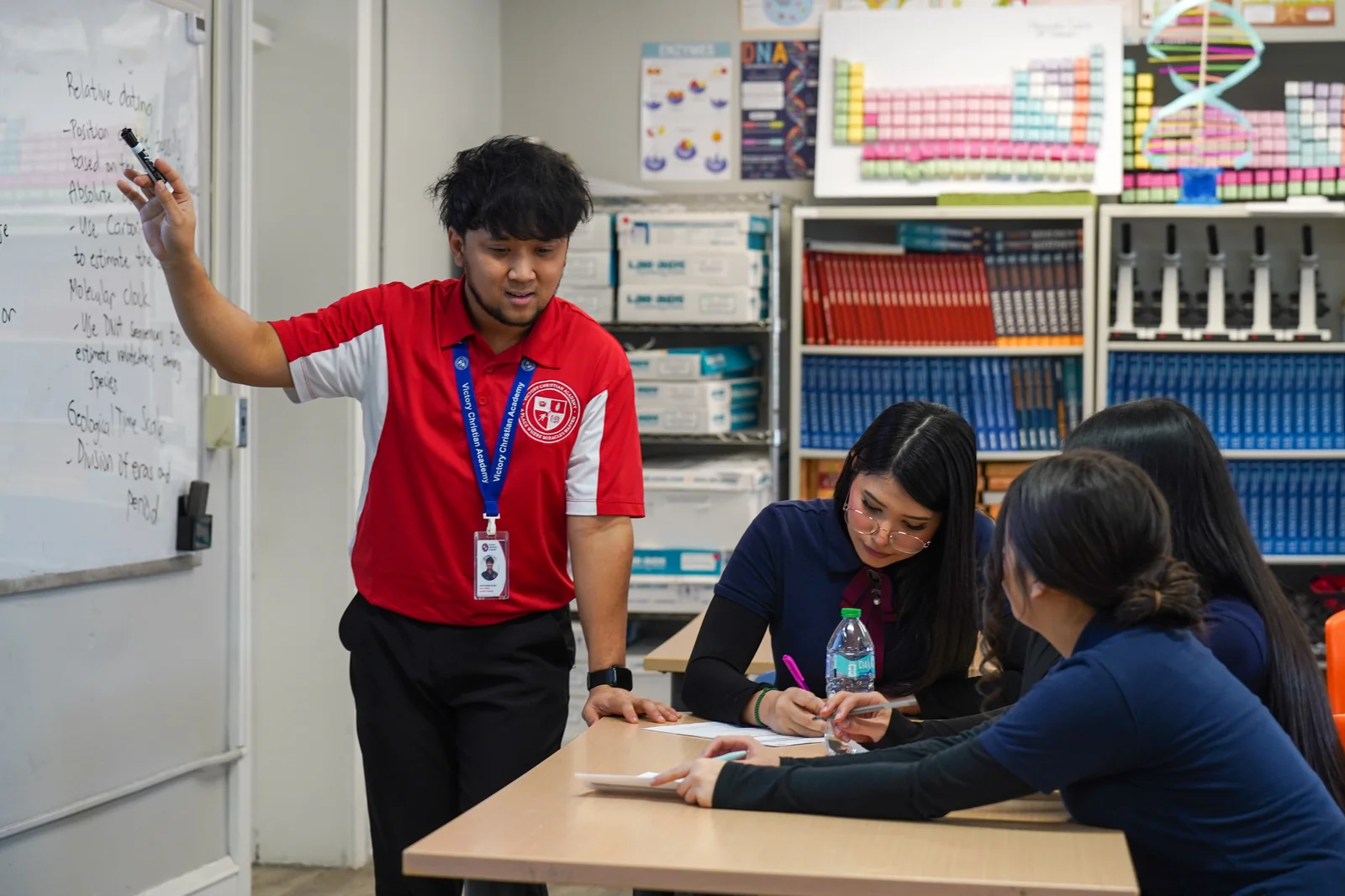
Hands-on experiments and inquiry — done at home with real materials, not just simulated on a screen. Every student keeps a lab notebook from grade 3 onward.

In plain EnglishReal materials, real observation, real write-ups. Your Scholar runs the experiment, records what happened, and explains why — the same workflow a working scientist uses. No watching someone else do it on a screen.
III

The Great Experiments

Students re-create the experiments that built the science: Galileo on falling bodies, Mendel's pea plants, Faraday's electromagnetism. The history of discovery is the curriculum.

In plain EnglishYour Scholar drops weights from a height like Galileo did. Crosses pea plants like Mendel did. Wraps a wire around a nail and watches a magnet form, like Faraday did. They repeat the moments when humans first figured this stuff out — instead of memorizing the conclusion.
IV

Math & Science Together

Physics doesn't come before its math. Chemistry doesn't come before stoichiometry. Our unusual high-school sequence is built around mathematical maturity.

In plain EnglishMost schools rush scholars into Chemistry before the algebra is solid. We don’t. Your Scholar tackles Chemistry only after physics has built the foundation and the math is ready. Result: they understand it instead of faking it.
The Sequence

A distinctive high-school path.

Most schools teach Biology → Chemistry → Physics. We teach Biology → Physics I → Physics II → Chemistry. Here is why.

K-5

Nature Study

Observation, drawing, classification. Plant study, animal study, weather study, the night sky. Real materials. Lab notebooks begin in 3rd grade.

6-8

Earth, Life, Physical

Earth, life, and physical sciences across the middle grades — the patterns and properties of matter, energy, and life. Scientific method formalized.

9-10

Biology & Physics I

Biology in 9th — life and the cell. Physics I in 10th — kinematics, dynamics, energy. Algebra-based. Lab work intensive.

11-12

Physics II & Chemistry

Physics II in 11th — waves, electromagnetism. Chemistry in 12th, once the math foundation is mature. Advanced and college-level options for scholars ready to push further.

A Distinctive Sequence

Why we teach physics before chemistry.

The standard American high-school science sequence — Biology, then Chemistry, then Physics — is a historical accident. It puts chemistry, the most mathematically demanding of the three, in front of the algebra and trigonometry students need to do it well.

We do it differently. Biology in 9th. Physics I in 10th. Physics II in 11th. Chemistry in 12th — after physics has built the conceptual scaffolding and the math is mature. The result is scholars who understand chemistry rather than memorizing it.

For students who need a more traditional sequence (some college pre-med tracks, certain athletic recruiting paths), we work with families on alternative scheduling.

In plain EnglishStandard American high schools rush students into Chemistry in 10th grade, before their algebra is solid. The result: most students memorize their way through it and never really understand it. We swap the order so chemistry sits on the math foundation it actually needs. Your Scholar ends up with a real grasp of how matter behaves — not a vague memory of moles.
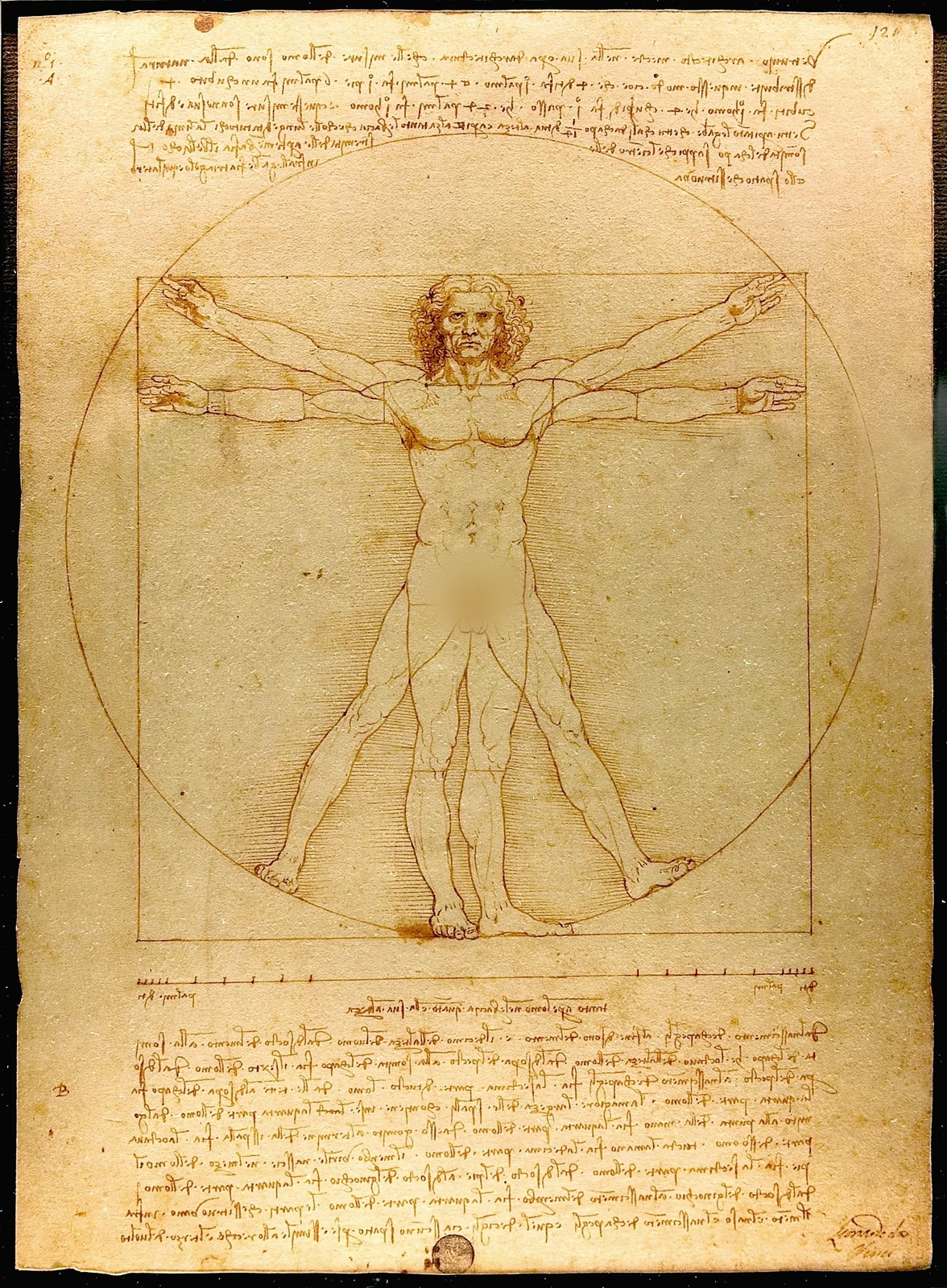
Da Vinci — Vitruvian Man
"Chemistry is physics applied. Physics is mathematics applied. Order matters."
✝︎
“The heavens declare the glory of God; and the firmament sheweth his handywork.”
Psalm 19:1 · KJV
Inside the Curriculum

See it for real.

Public materials from Great Hearts Online — the same curriculum delivered through VCA Virtual. Click any card to see what the actual coursework looks like.

Science course preview
Sample Course

Science — 5th Grade

What an actual semester of 5th-grade science covers: solar system and atoms, ecosystems and Earth's systems, hands-on experiments and inquiry, observation-first nature study. Live morning Zoom seminars, syllabus PDF on the page.

View the course →
STEM at Great Hearts
STEM Philosophy

STEM at Great Hearts

Why classical training produces students who out-perform on AP, SAT, and college science — without the gimmicks of a typical “STEM curriculum.” The case for depth, observation, and the great experiments over speed and acronyms.

Read the article →
The Senior Thesis
Senior Capstone

The Senior Thesis

The capstone of every Great Hearts graduate: an original thesis defended orally before a panel. Many students choose scientific topics — their twelve years of patient observation finally write themselves into a defense.

Read the article →

VCA Virtual’s classical pathway uses the Great Hearts published K–12 scope and sequence. Links open at greatheartsonline.org and greatheartsamerica.org for transparency.

Other Paths at VCA Virtual

Classical isn’t the only path. It’s simply the heart.

VCA Virtual delivers two additional non-classical pathways for scholars whose road through the Christian school day looks different.

Science, Reverently

A subject taught with wonder.

Real labs, the great experiments, math-mature sequencing. Science that takes the cosmos seriously as the work of a real Creator.