- About
About VCA VirtualWisconsin’s Christ-centered classical academyMission & Vision Statement of Faith Leadership Team Accreditation Results & Testimonials
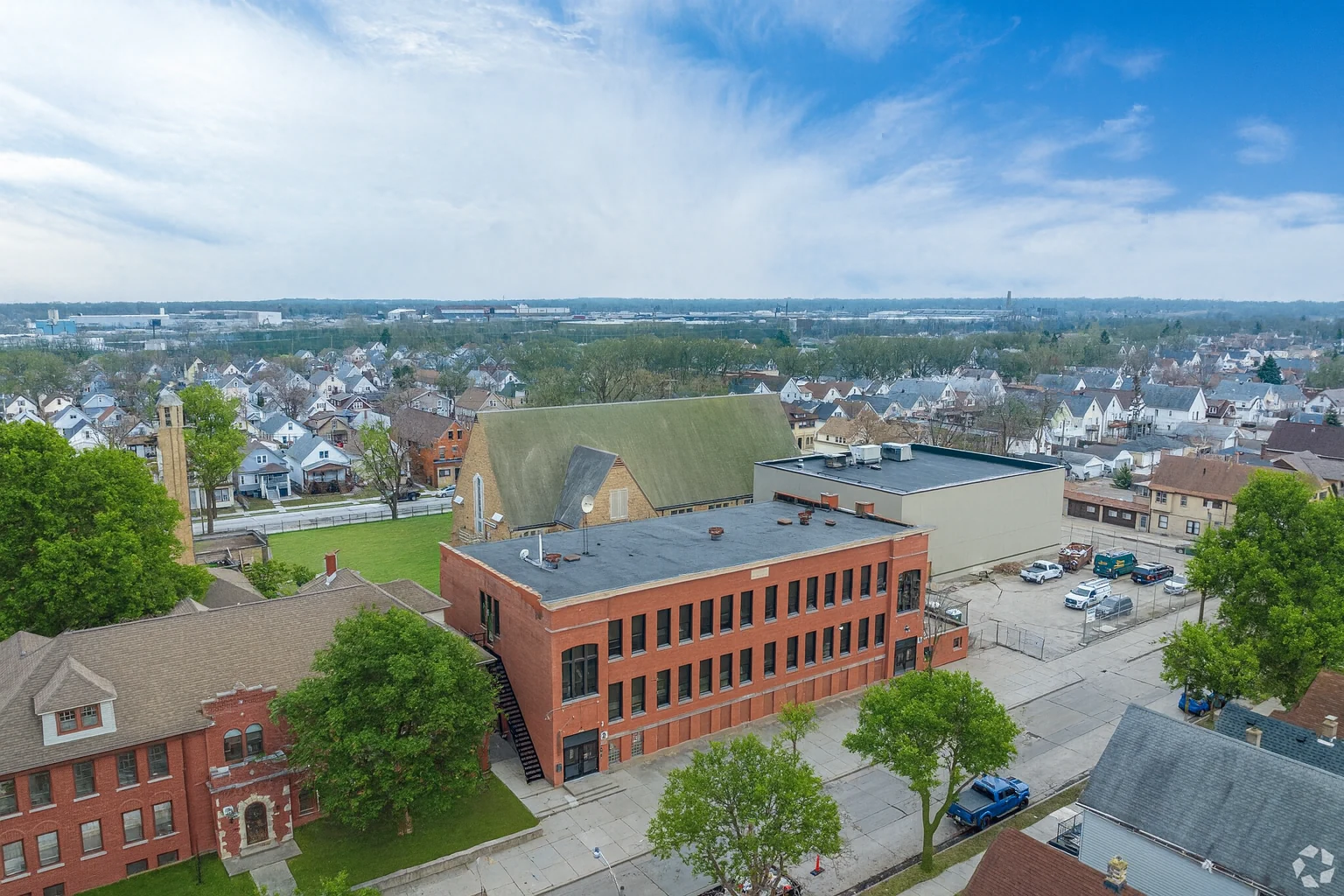 Our Story
A Place Where Miracles Happen
Rooted in Milwaukee, open to Wisconsin.
- Pathways
Four PathwaysFlexibility, your scholar’s wayAll Pathways Overview Great Hearts Online Classical Wisconsin Virtual School VCA Mastery Learning On Fire Learning
 Find Your Fit
One school, many paths
Classical, virtual, or individualized.
- Academics
AcademicsA rigorous, Christ-centered classical course of study
 New · Summer 2026
Summer School
Online, personalized, June 25–July 22. Keep growing all summer.
Explore Summer School → - Formation
Christian FormationFaith at the center of the dayChapel & Devotions Parent Partnership Student Life & ClubsWhole-Person
Mind & heart together
Scripture, virtue, and joyful learning.
- Enroll
Enroll at VCA VirtualTuition-free through Wisconsin ChoiceHow to Enroll Choice Programs (All 4) Tuition Important Dates FAQNow Enrolling
Apply for 2026–27
Rolling enrollment through September.
- Contact