Pulchritudo docet. Beauty teaches.
The four fine arts — studio art, music, poetry, and drama — paced into their proper season across twelve grades. Beauty is not a luxury. It is core curriculum.
Modern schools treat the arts as enrichment — something to add when budgets allow, cut when budgets don't. The classical tradition treats the arts as essential. A student who has not learned to recognize beauty has not been educated.
At VCA Virtual the fine arts are core curriculum, not enrichment, paced into their proper season across the grades. Studio art and music run through the elementary and middle grades. Music continues into 9–10. Studio art and drama come back as the upper-school disciplines in 11–12. Poetry is memorized and recited at every level, K through 12. Because the soul trained to recognize beauty is also the soul that recognizes goodness, and the soul that recognizes goodness is the one capable of right action.
In plain English: the fine arts are required formation, not enrichment. Not a once-a-week elective. Not the first thing cut when the budget tightens. Studio art and music in the K–8 years. Music in 9–10. Studio art and drama in 11–12. Poetry memorized and recited at every level. Your kindergartener recites a poem. Your 4th-grader practices mastercopies of work in the Western tradition. Your high schooler studies music theory and works toward performance on a real stage. The arts form taste — and trained taste is what lets your Scholar spot the good and reject the corrupting in everything they encounter the rest of their life.
Beauty is real — and the heart must be formed to recognize it. A formed heart can tell a masterpiece from a manipulation, a true song from a slick one, a real story from a hollow one.
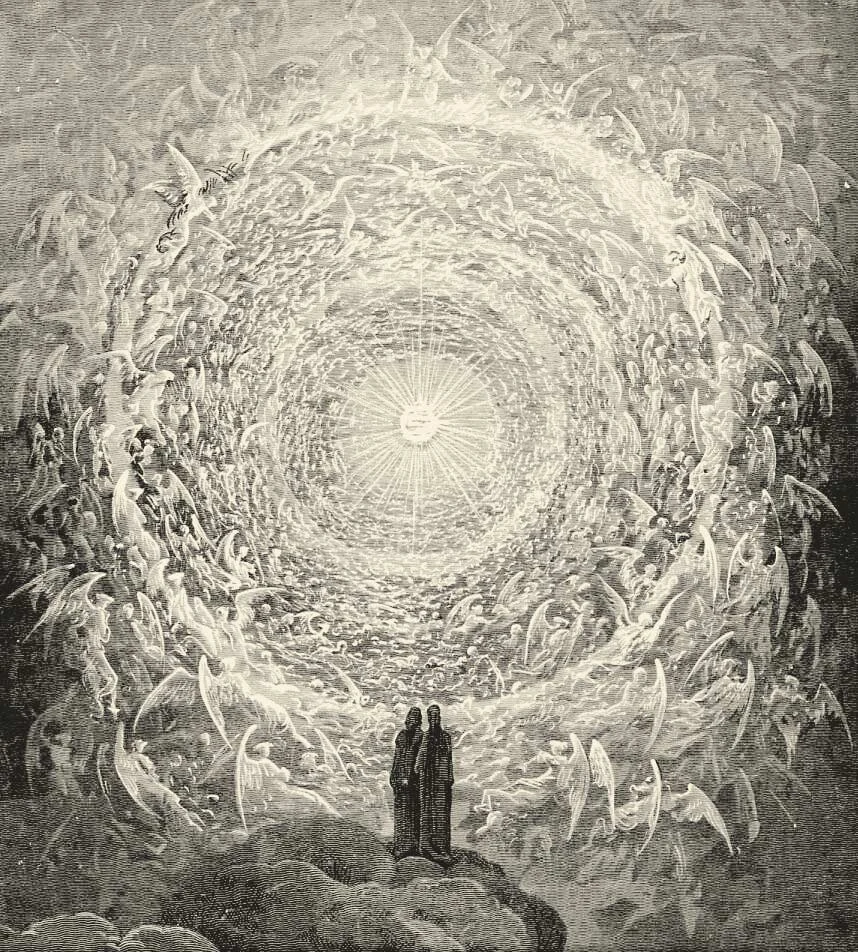
Of the three transcendentals, beauty deserves the longest treatment. Truth and goodness have been maligned in this relativistic age. Beauty has fared worse — misunderstood entirely, reduced to taste, taste to opinion, opinion to identity. Yet beauty may be the very transcendental that still draws people back. A sunset, a Bach cantata, a child’s face — these reach hearts that argument cannot. Beauty is often the door through which truth and goodness still walk in. This is not retreat into the past; it is engagement with the present, with eyes that can see.
Studio art, music, poetry, and drama. Each forms a different faculty. Each is required — though not all four happen simultaneously every year. The pacing across twelve grades is below.
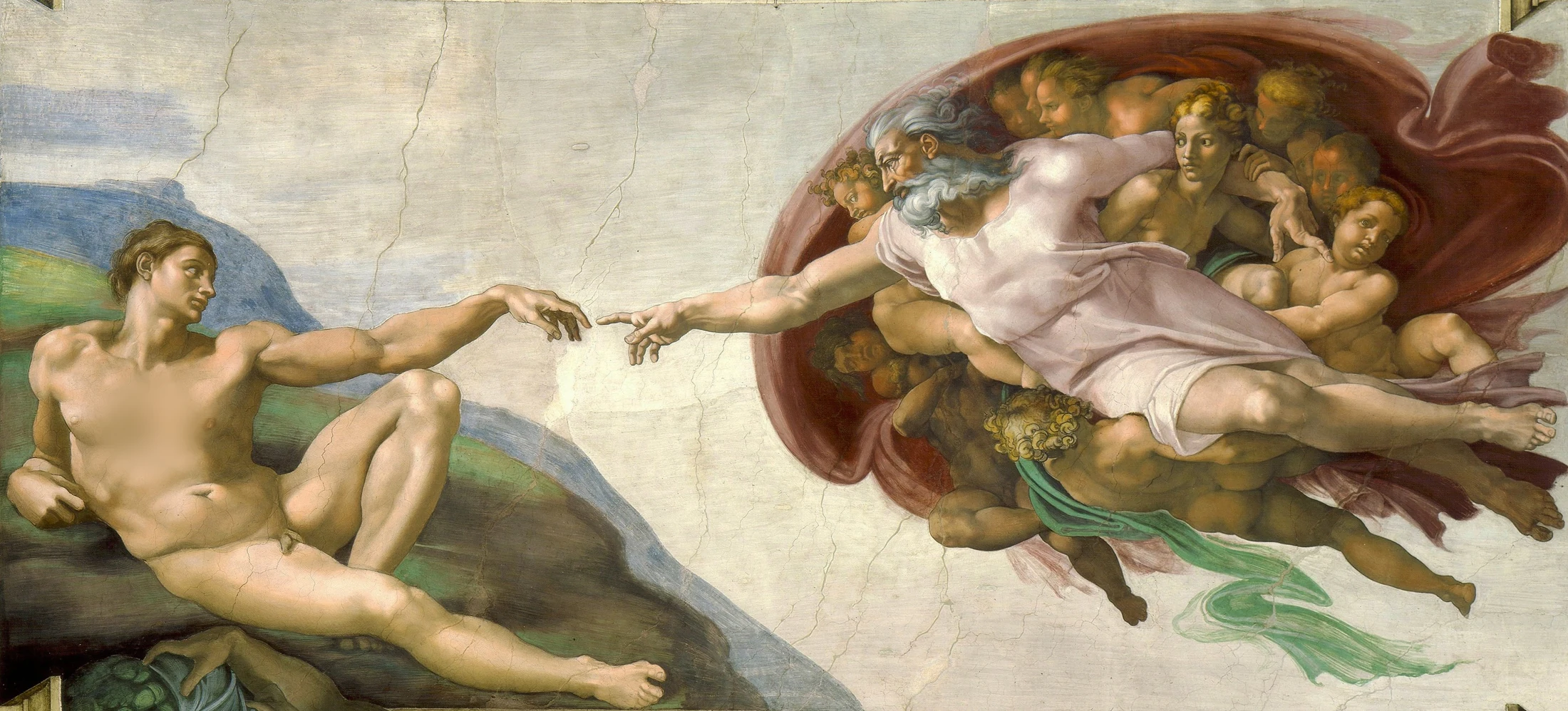
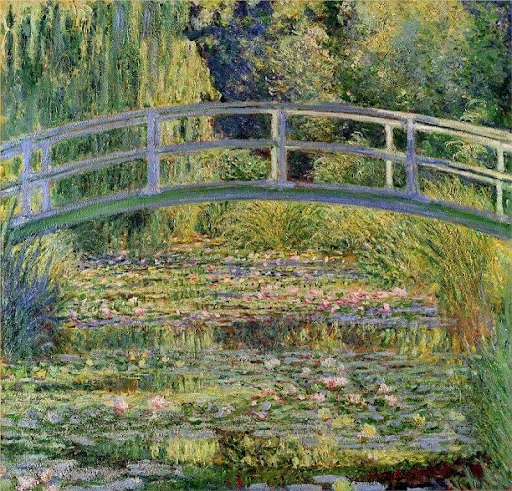
Drawing, painting, and the careful study of masterworks from the Western tradition. Scholars study and replicate masterworks to practice how line communicates shape, form, space, movement, and harmony. Technique precedes self-expression.
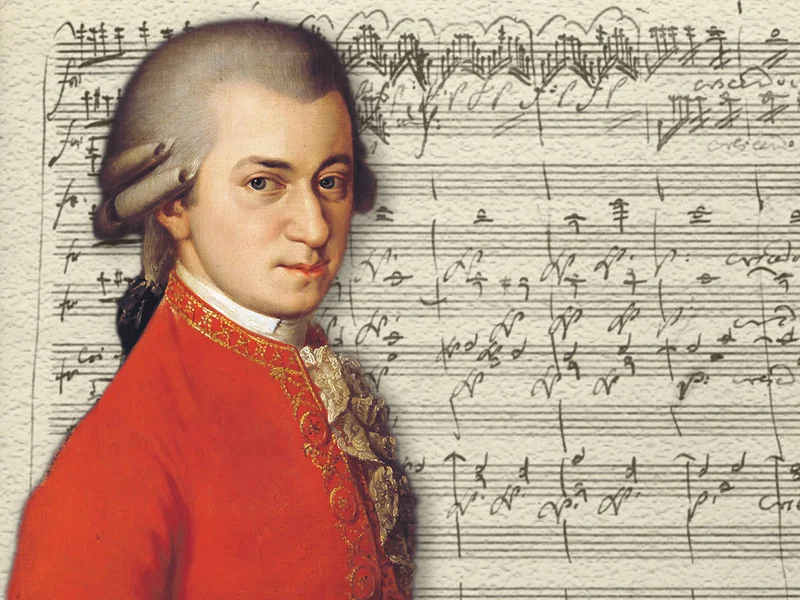
Choral and group singing from the elementary grades. Music theory and notation — solfege, key signatures, scales, time signatures, musical form — built systematically as students move through the grades. Performance and listening to masterworks throughout.
Memorization and recitation from kindergarten on — an explicit, verified part of the Great Hearts elementary curriculum. Students draw from the canon of English-language verse, with longer and more demanding selections as they advance.
The drama curriculum “is designed to slowly build confidence through the curriculum until students are ready to produce and perform in a play.” Dramatic readings, staged scenes, and full productions for those who choose to take the work further.
Each grade band builds on the last. The arts are not optional electives. Each art enters in its proper season — and poetry, the one that runs continuously, is memorized at every level.
Picture studies, copying simple drawings, folk songs, nursery poetry memorized and recited. Beauty as the natural environment of childhood.
Drawing fundamentals — line, shadow, perspective, mastercopies of works in the Western tradition. Choral singing and music notation (solfege, scales, key signatures). Longer poetry memorized.
Studio drawing and painting that build on observation and mastercopy. Music theory and analysis of masterworks. Drama begins to build toward performance.
Music in 9–10. Studio art and drama in 11–12. Performance and portfolio work for students who carry the discipline forward. The graduate “has practiced the fine arts of music, poetry, drawing and painting, and drama.”
A child who memorizes a poem owns it forever. The rhythm of the language enters their bones. The images shape their imagination. The argument shapes their thinking. Memorization is not an antiquated discipline. It is the most ancient pedagogical tool we have.
Every VCA Virtual Scholar memorizes and recites poetry every year — an explicit, verified part of the Great Hearts elementary curriculum. Younger students learn shorter poems and nursery rhymes; older students take on longer, more demanding works.
By graduation a VCA Virtual Scholar carries a body of memorized poetry into adult life. They will draw on it — at funerals, at weddings, in moments of exhaustion or joy — for the rest of their lives. That is education that lasts.
“Whatsoever things are lovely — think on these things.”Philippians 4:8 · KJV
Public materials from Great Hearts Online — the same curriculum delivered through VCA Virtual. Click any card to see what the actual coursework looks like.

What an actual semester of 5th-grade music covers: solfege, key signatures, major scales, time signatures, musical form, and listening to and analyzing masterworks. Syllabus PDF on the page.
View the course →
What an actual semester of 5th-grade studio art covers: drawing fundamentals, picture study of Western masterworks, real materials, real technique. Syllabus PDF on the page.
View the course →
Why these books and these poems from the Western canon — and how the program builds a literary inheritance every student carries by graduation.
Read the article →VCA Virtual’s classical pathway uses the Great Hearts published K–12 scope and sequence. Links open at greatheartsonline.org and greatheartsamerica.org for transparency.
VCA Virtual delivers two additional non-classical pathways for scholars whose road through the Christian school day looks different.
State-aligned online program for high schoolers entering mid-program, scholars needing credit recovery, or NCAA-eligible student-athletes.
Explore WVS → Pathway II · CatalogSelf-paced supplemental catalog — creative electives, life skills, and credit recovery used alongside the classical core.
Explore On Fire →Every grade. Every year. Studio art, music, poetry, drama. The arts are core curriculum at VCA Virtual.