Wisconsin Parental Choice Program Approved
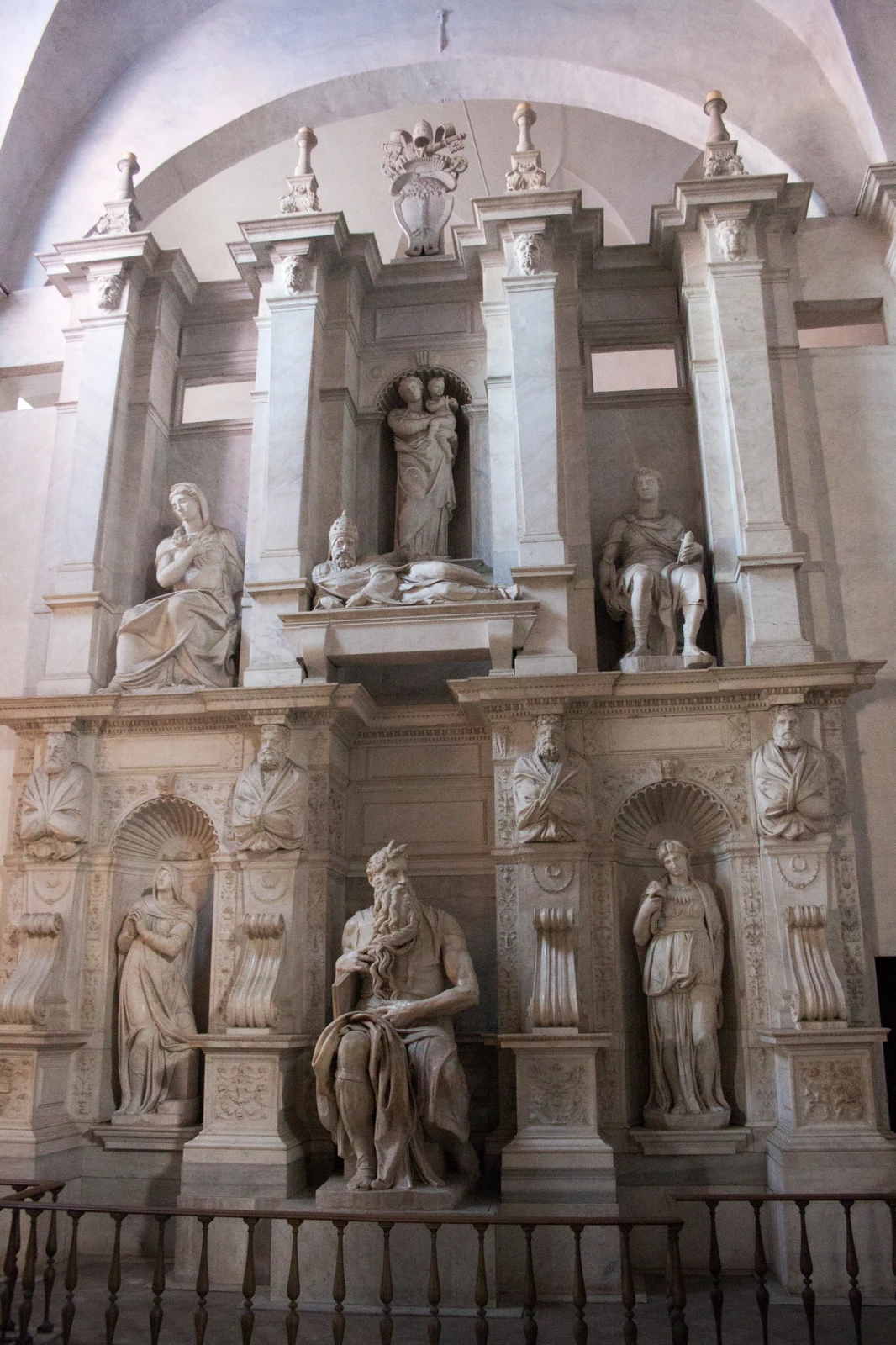
Michelangelo — Moses
Home/Academics/History & Humanities
History & Humanities

History is the teacher of life.

Historia magistra vitae. History is the teacher of life.

Primary sources, Socratic seminar, and the four-year Humane Letters course — history taught as the story of the human search for truth, not a procession of dates and names.

A Story Worth Telling

Western history is your history.

Modern history textbooks read like phone books — names and dates with no narrative, events with no causes, civilizations with no soul. Classical history is the opposite.

VCA Virtual teaches history as the story of the human search for truth, lived out across the four civilizations — Athens, Jerusalem, Rome, and Christendom — that gave the modern West its shape. We teach from primary sources whenever possible, in deliberate order, with full attention to the ideas that drove the events. By the time students reach Humane Letters in high school, history and literature merge into a single conversation.

In plain English: history at VCA Virtual is the story of Western civilization told as inheritance — what shaped the world we live in, where it succeeded, where it failed, and how we got here. We teach the actual sources, in chronological order, with real ideas seriously engaged.

No revisionist rewrites. No “1619”-style framing of the founding as fraud. No reducing Lincoln, Washington, Jefferson, or Augustine to a list of grievances. No swapping primary sources for “perspective packets” curated to push a conclusion. Your Scholar reads the Declaration in full. The Federalist Papers. Augustine’s Confessions. Lincoln’s actual words. Then they’re trained to make their own arguments — supported by primary sources, not by what an editor decided was “relevant.”

By graduation your Scholar knows where the West came from, what it cost, what it built, and what it owes — equipped to defend their own conclusions instead of repeating someone else’s script.

The Classical Method

Four commitments.

A history course that takes the human search for truth seriously must do certain things. Here is what we do.

I

Primary Sources

Students read Thucydides, not a textbook about Thucydides. They read Augustine's Confessions, not a paragraph summary. They meet the writers of history face to face.

In plain EnglishYour Scholar reads the actual writings of Augustine, Lincoln, Aristotle — not a paragraph summary in a textbook, and not a packet of “perspective sources” curated to push a conclusion. The Federalist Papers. The Confessions. The Gettysburg Address. In full. The Scholar decides what they think after reading what was actually said.
II

Ordered, Not Random

K–8 history runs chronologically — the Greeks before the Romans, the Romans before Augustine, Augustine before Aquinas. The high-school Humane Letters seminar then runs deliberately in reverse: starting from the American inheritance and working back to its roots in Greece and Rome. Order is intentional either way.

In plain EnglishNo “rotating through cultures” or picking units based on what’s trending. No identity-themed reshuffling that breaks order to hit political bullet points. Through 8th grade your Scholar moves forward through history. In high school they trace the inheritance backwards — from where they live now, to where it all came from.
III

Cause & Consequence

We name the ideas that drove the events. The Reformation didn't just happen. The French Revolution had causes. Students learn to trace consequences.

In plain EnglishWe don’t just list events on a timeline — and we don’t reduce them to a single grievance like “power” or “oppression.” We ask: why did the Reformation happen? What did the French Revolution actually change? Real answers, drawn from real ideas. No reducing two thousand years of history to a one-word slogan. Your Scholar graduates able to think historically — not just recite the script.
IV

Humane Letters Integration

In high school history merges with literature and philosophy in an extended daily seminar. The Iliad with the Peloponnesian War. Augustine with the fall of Rome.

In plain EnglishIn high school, your Scholar reads Augustine while studying the fall of Rome. The Iliad while studying Greek warfare. The Federalist Papers while studying the actual Founders — engaged on their own terms, not pre-judged by today’s lens. Same teacher, same book, same room. History and literature are finally taught together — the way they actually happened.
The Sequence

Twelve years, four civilizations.

A coherent narrative across the grades. Each year picks up where the last left off.

K-2

Story & Place

Family, community, and the great stories of Western civilization in narrative form. Geography of the United States.

3-5

Ancient Civilizations

Egypt, Greece, Rome. Read in chronological order with attention to the gods, the kings, and the great works. American history begins.

6-8

The Christian West

From the early church through the Middle Ages to the Reformation. American history through the Civil War. Geography of the world.

9-12

Humane Letters

An extended daily seminar. American tradition (9) → modern Europe (10) → ancient Greece (11) → Rome to modernity (12). Reverse-chronological by design — students start with their own inheritance, then trace it back to its roots.

Humane Letters

The high-school seminar.

Humane Letters is the centerpiece of classical high-school education. Across four years, students read the great works of the Western tradition — literature, history, and philosophy together — in an extended daily seminar that begins with American texts and works backward to the ancients.

9th grade focuses on the American tradition — the founders, primary documents, and major American voices. 10th grade turns to modern Europe. 11th grade reaches back to ancient Greece — Homer, the historians, Plato, and Aristotle in a sustained encounter. 12th grade traces Rome through the Christian and modern eras. Authors and texts are drawn from the Western canon and paced across the four years.

The seminar is the structure. Students read the day's assignment, come prepared with notes and questions, and discuss at length. The teacher guides but does not dominate. By graduation a student has read more of the Western tradition than most college humanities majors.

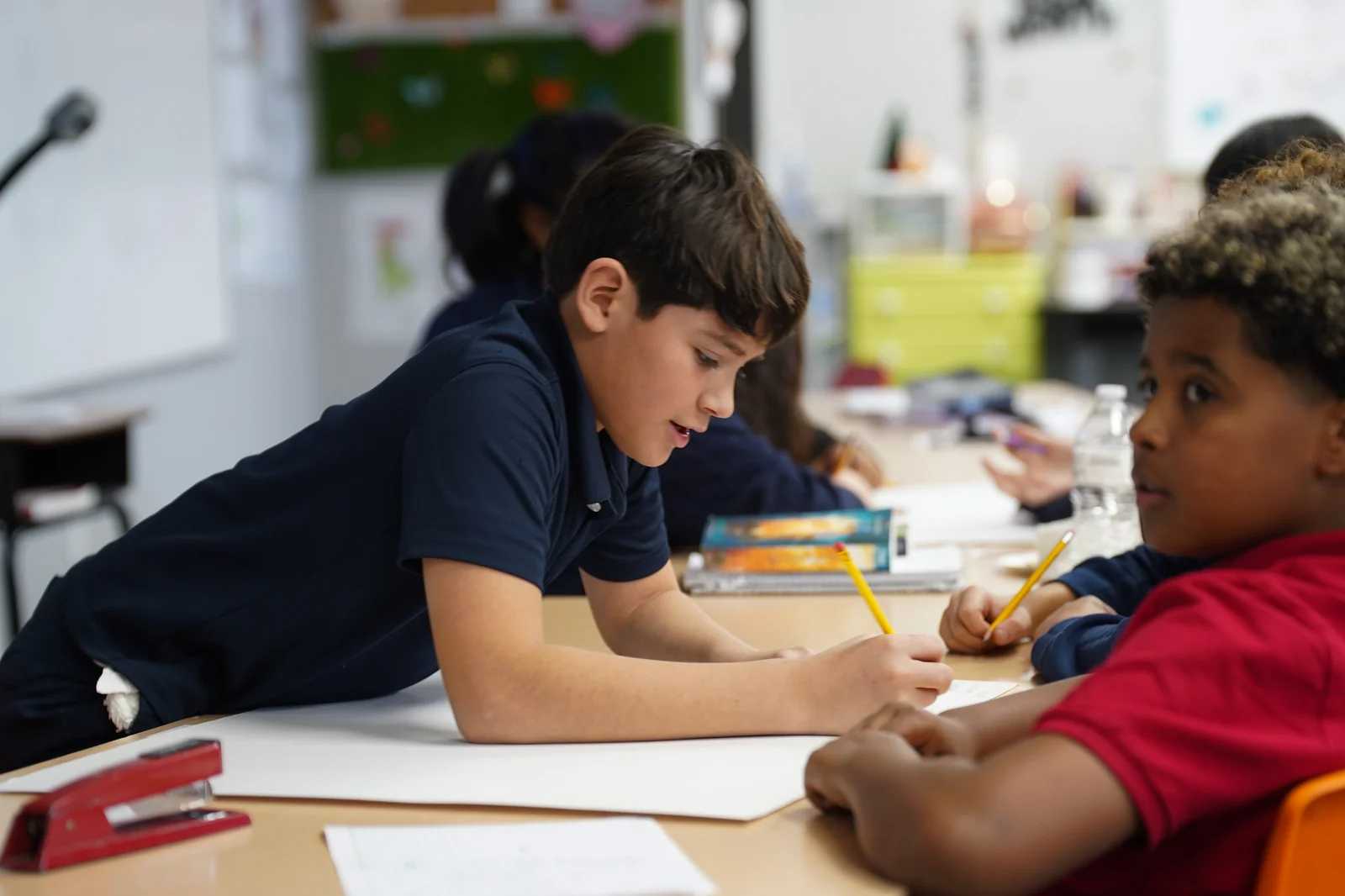
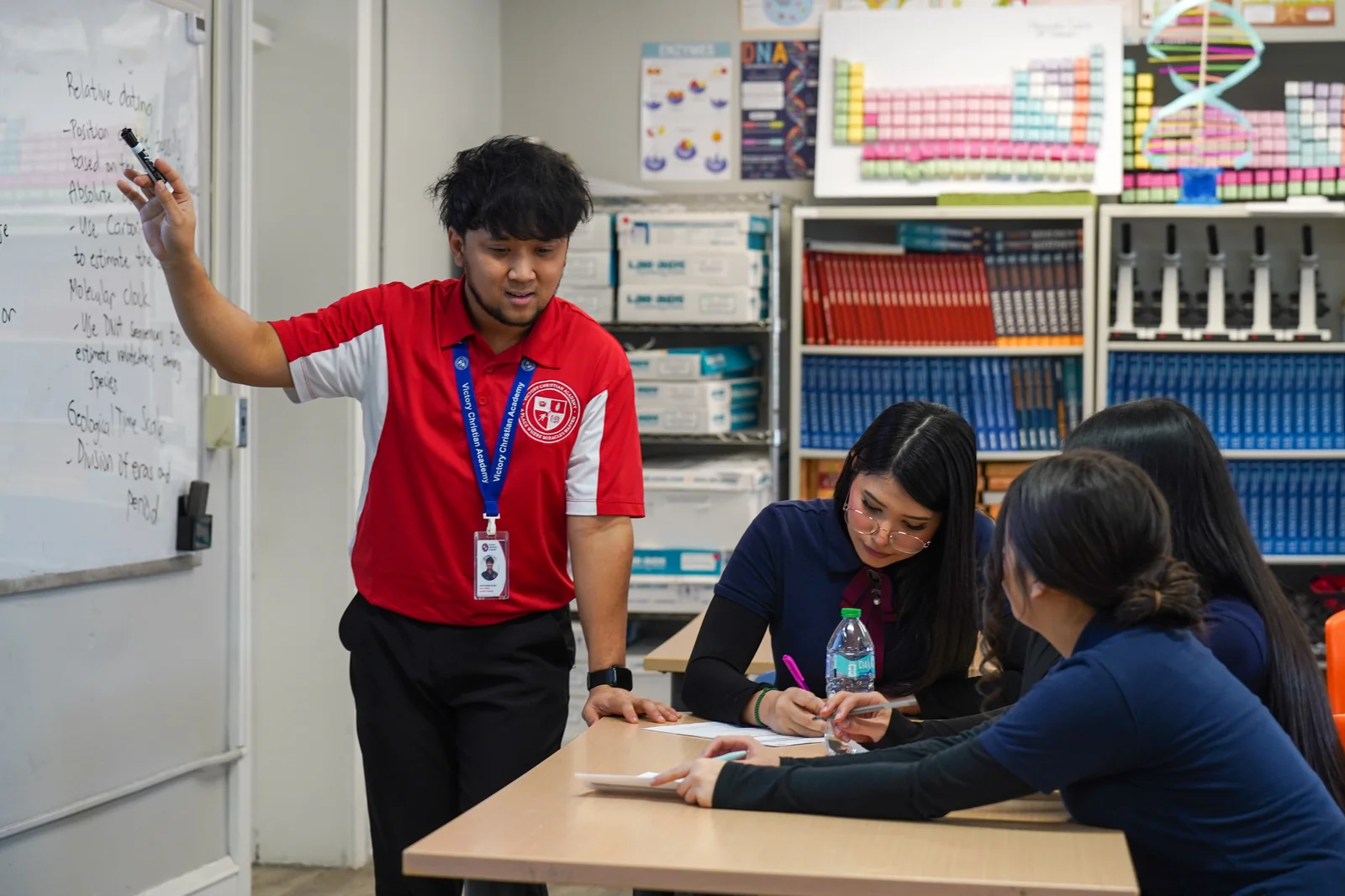
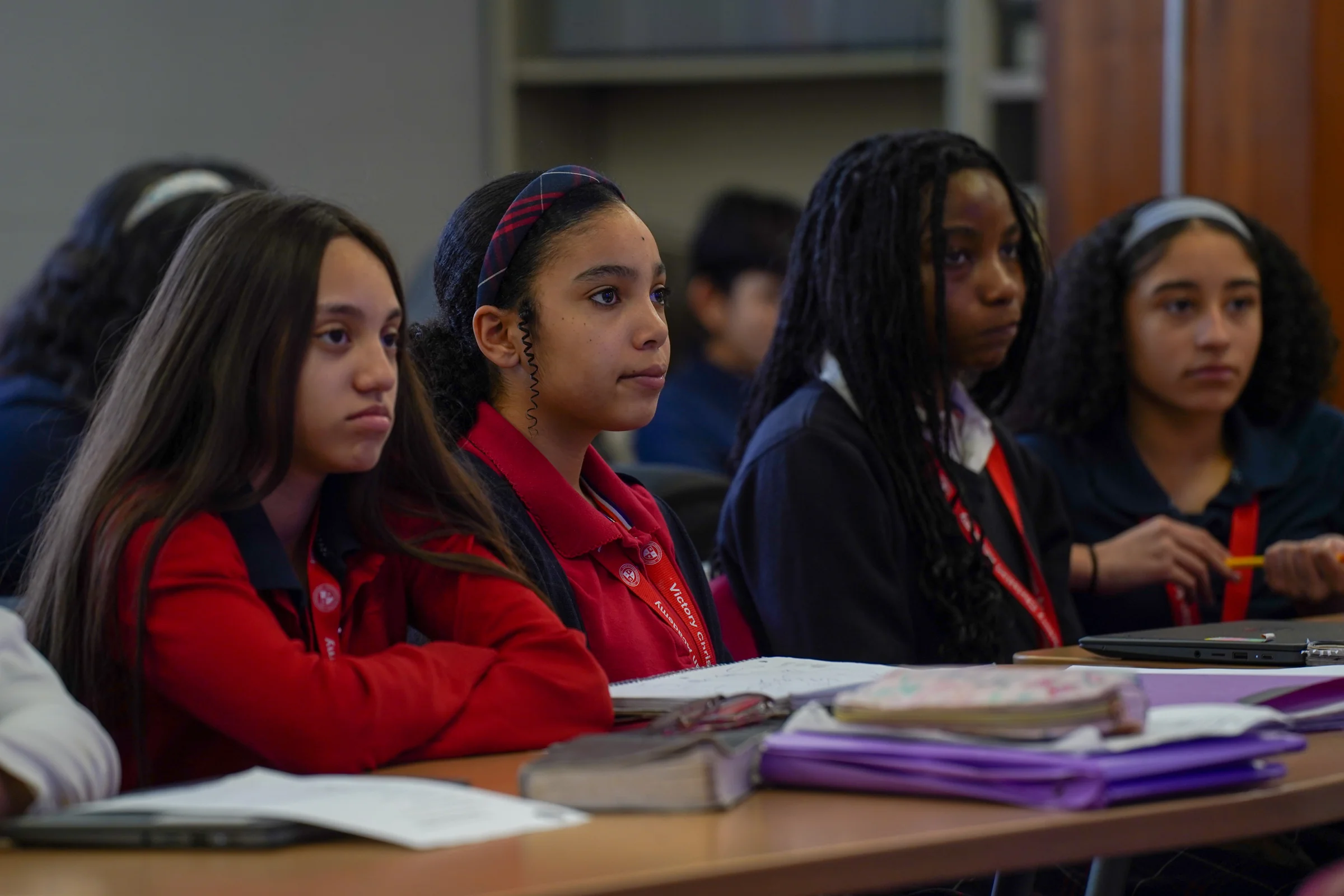
High school students in seminar
"To read Homer alongside Thucydides is to understand both."
✝︎
“Remember the days of old, consider the years of many generations.”
Deuteronomy 32:7 · KJV
By Graduation

What a graduate can actually do.

Six things a VCA Virtual history Scholar leaves with — that most college freshmen don’t.

I

Read primary sources fluently.

By graduation your Scholar has read more Augustine, Lincoln, and the Founders — in full — than most college humanities majors.

II

Defend a thesis from text.

They can stand up and argue a position — supported by the actual words, not someone else’s summary.

III

Trace ideas across centuries.

From Athens to Jerusalem to Rome to Augustine to Aquinas to the Founders. The Western tradition as a single conversation, not a list of grievances.

IV

Tell what was said from what people claim was said.

Most cultural debates today turn on misquotation or selective citation. Your Scholar checks the source.

V

Make their own arguments.

Not yours, not their teacher’s, not the textbook’s. Their own — built from evidence, defended in writing.

VI

Disagree, in writing, with citations.

The capacity for principled, evidenced disagreement — the thing classical education has produced for two thousand years, and the thing today’s history classrooms have forgotten how to teach.

VCA Virtual graduates know where the West came from, what it cost, what it built, and what it owes. They are equipped to defend their conclusions instead of repeat someone else’s script — whether the script comes from the right or the left.

Inside the Curriculum

See it for real.

Public materials from Great Hearts Online — the same curriculum delivered through VCA Virtual. Click any card to see what the actual coursework looks like.

History course preview
Sample Course

History — 5th Grade

What an actual semester of 5th-grade history covers: ancient civilizations, geography, primary sources, the start of American history. Live morning Zoom seminars, syllabus PDF on the page.

View the course →
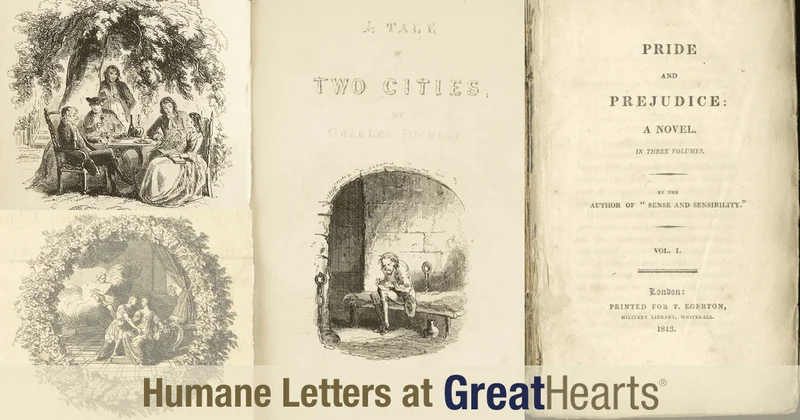
Humane Letters seminar
High School Capstone

The Humane Letters Seminar

Four years of Great Books taught Socratically — the high-school capstone that fuses history, literature, and philosophy. Begins with American texts in 9th grade and works backward to the ancients.

Read the article →
The Great Books at Great Hearts
Reading List

The Great Books at Great Hearts

Why these books — Homer, Plato, Augustine, Dante, Shakespeare, the Bible — and how the program sequences them across twelve grades to build a coherent inheritance.

Read the article →

VCA Virtual’s classical pathway uses the Great Hearts published K–12 scope and sequence. Links open at greatheartsonline.org and greatheartsamerica.org for transparency.

Other Paths at VCA Virtual

Classical isn’t the only path. It’s simply the heart.

VCA Virtual delivers two additional non-classical pathways for scholars whose road through the Christian school day looks different.

Read the Tradition

A coherent inheritance.

Twelve years of Western history, in order, from primary sources, in conversation with the great literature. The way it has been taught for two thousand years.